

The Dental Implant Procedure: A Step-by-Step Guide
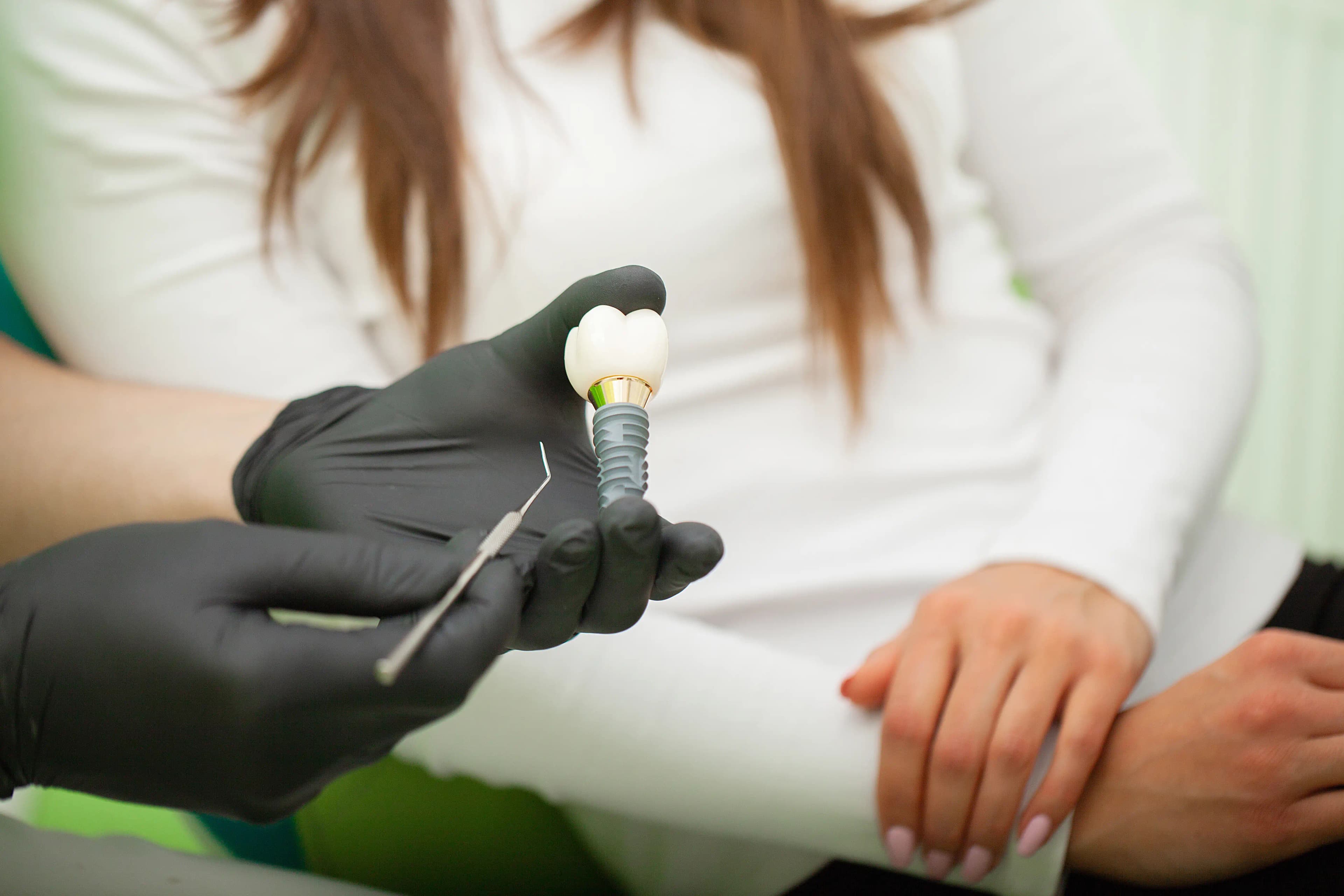
Embarking on the journey to dental implants is a big decision, but it is one that holds the promise of a lasting, natural-looking smile.
While the process is surgical, understanding the steps involved can significantly reduce anxiety and help you feel confident in your treatment plan. Here is a detailed look at the precision and care that goes into the dental implant procedure at Abilene Surgical Associates.
How Long Does It Take?
The placement of a single dental implant typically takes 30 to 60 minutes. If you are having multiple implants placed, the procedure may take 2 to 3 hours.
Every patient is unique, and our surgeons prioritize precision and individualized attention over speed to ensure the best possible outcome.
Preparing for Surgery
Your comfort is our priority. Before the procedure begins, we will ensure you are fully prepared:
- Anesthesia: A local anesthetic is administered to completely numb the surgical site.
- Sedation Options: For enhanced comfort, we offer intravenous (IV) sedation or nitrous oxide (laughing gas). These options are discussed thoroughly during your consultation.
- Medication: You may receive antibiotics before surgery to prevent infection and ensure a smooth recovery start.
The Surgical Procedure
Once you are comfortably anesthetized, the procedure begins with a small incision in the gum tissue to expose the underlying bone. Using specialized instruments, the surgeon creates a precise space in the jawbone to gently insert the titanium implant.
In some cases, the implant is covered by gum tissue to protect it during the initial healing phase. This "sleeping" period allows the implant to fuse with the bone without disturbance.
Visualizing the Process
- Evaluation: We assess the jawbone to ensure it is healthy enough to support an implant.
- Placement: The titanium implant is inserted into the bone, acting as a new "root."
- Healing (Osseointegration): Over the next few months, the jawbone heals around the implant, locking it in place.
- Restoration: Once fully healed, the final crown is attached, completing your smile.
Recovery and Healing
The post-surgery phase is critical. The length of healing varies depending on the quality and quantity of your bone, but it usually spans several months.
The Final Result
Whether you are replacing a single tooth or an entire arch, the process concludes with your general dentist fitting the custom-made replacement tooth (crown) onto the implant. The result is a restoration that looks, feels, and functions just like your natural teeth.