Recovery Guide: After Single Tooth Extraction

The first 72 hours after an extraction are critical for healing. Learn how to protect the blood clot, manage swelling, and when it is safe to return to your normal routine.

Recovery Guide: After Single Tooth Extraction
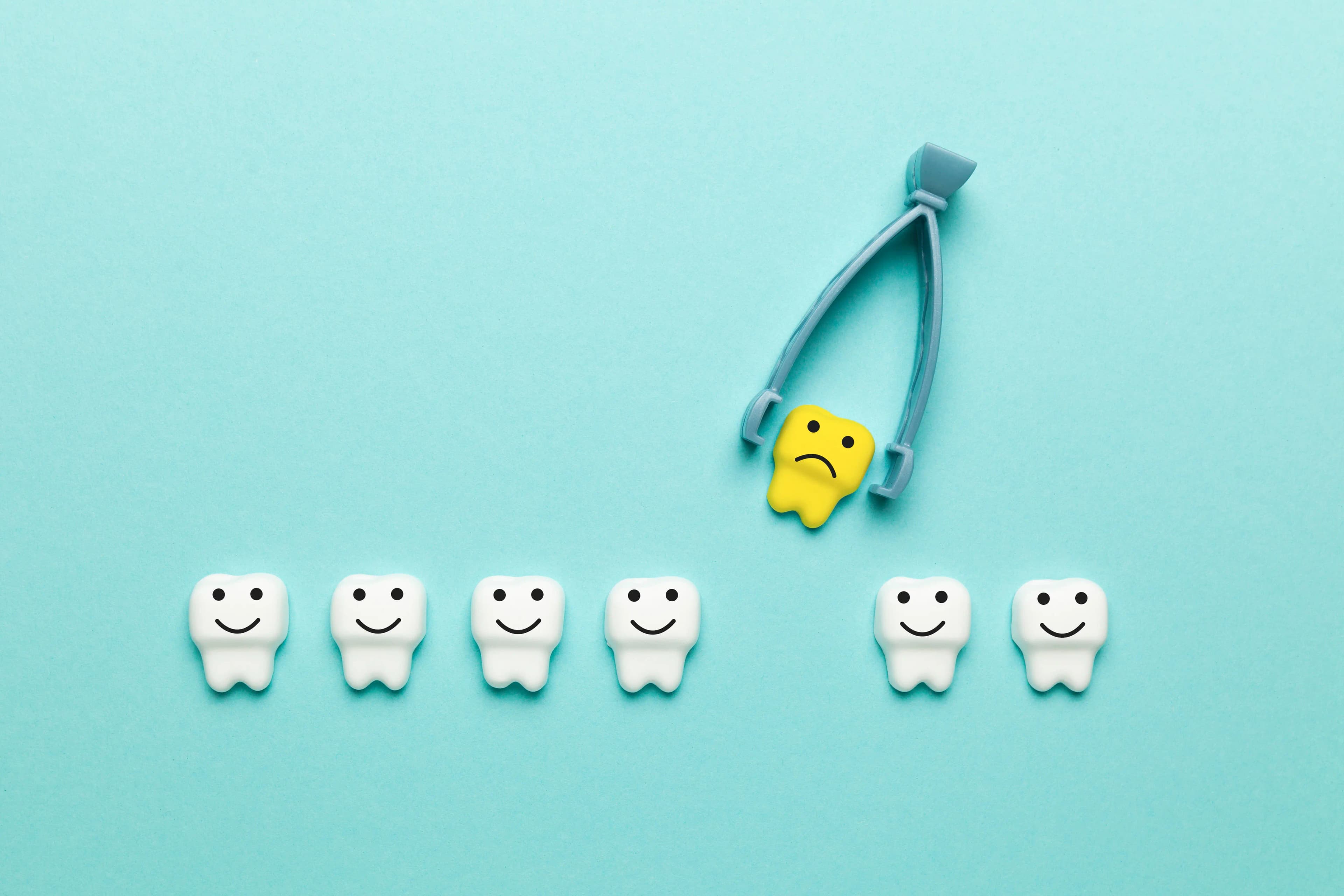
Introduction The removal of a tooth is a delicate surgical process, but the procedure itself is only half the battle. What you do in the hours and days following your appointment is crucial for a smooth healing journey. By following these home instructions carefully, you can minimize discomfort and prevent complications.

The First 24 Hours: Protecting the Blood Clot Immediately after your extraction, a blood clot will form in the empty socket. This clot acts as a "natural bandage," covering the exposed bone and nerve endings to initiate healing. Protecting this clot is your number one priority.

  • Bite Down: Keep firm pressure on the gauze pad provided by your surgeon for 30-45 minutes immediately after the procedure. If bleeding persists, replace it with a fresh pad for another 30 minutes.
  • The "No" List: For the next 72 hours, avoid any action that creates suction or pressure in the mouth, as this can dislodge the clot (a condition known as "Dry Socket").
    • No rinsing vigorously.
    • No using straws (drink directly from the cup).
    • No smoking or vaping.
    • No spitting (let saliva drool out over a sink if necessary).
  • Rest: Limit vigorous exercise for 24 hours. Elevated blood pressure can cause the socket to bleed again.

Pain Management and Swelling It is normal to experience some degree of pain and swelling once the anesthesia wears off.

  • Ice: Apply an ice pack (or a bag of frozen peas) to the outside of your cheek near the extraction site. Use it in intervals: 20 minutes on, 20 minutes off.
  • Medication: Take your prescribed pain medications exactly as directed. Do not wait for the pain to become severe before taking a dose.
  • Timeline: Swelling typically peaks on the second day and usually subsides after 48 hours.

Nutrition and Hydration Your body needs fuel to heal, but you must be gentle with your mouth.

  • Hydrate: Drink plenty of water, but remember—no straws.
  • Soft Diet: Stick to nutritious, soft foods on the day of extraction (yogurt, applesauce, mashed potatoes, lukewarm soup).
  • Antibiotics: If antibiotics were prescribed, you must finish the entire course, even if your symptoms disappear.

Resuming Oral Hygiene Cleanliness prevents infection, but you must be careful around the surgical site.

  • Wait 24 Hours: Do not brush or floss directly next to the extraction site on the first day.
  • Day 2 Onwards: You can resume your regular dental routine, but brush very gently near the healing socket.
  • Salt Water Rinses: After 24 hours, you can gently rinse with warm salt water (1/2 teaspoon of salt in a cup of warm water) after meals to keep the area clean.

When to Call the Doctor After a few days, you should feel significant improvement and be able to return to normal activities. However, you should contact us immediately if you experience:

  • Heavy or uncontrolled bleeding.
  • Severe pain that medication does not control.
  • Persistent swelling that lasts longer than 3 days.
  • A reaction to any prescribed medication (rash, itching, or breathing difficulties).